Biology 9700/22 — February/March 2019
Cambridge AS Level · AS Level Structured Questions · worked solutions for every part, with the mark scheme
Topics Transport in Mammals · Biological Molecules · Cell Structure · Transport in Plants · Enzymes · Infectious Diseases · +5 more
Fig. 1.1 and Fig. 1.2 are photomicrographs of sections through the leaves of two different plants.
Fig. 1.1 is a photomicrograph of a section through a leaf of Cornish heath, Erica vagans.
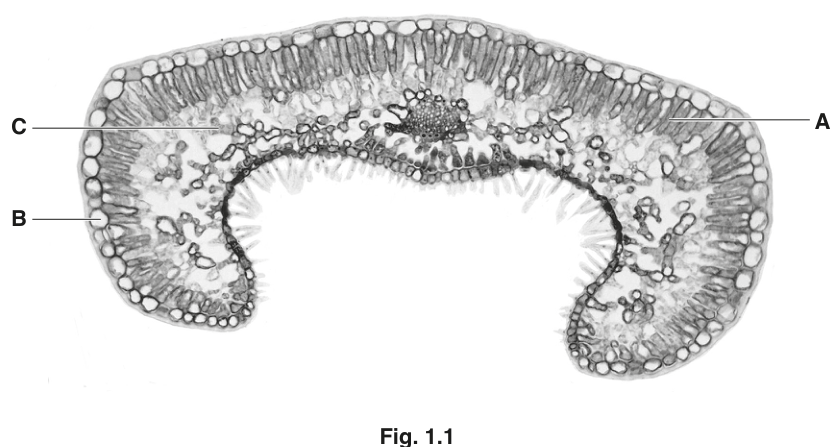
Fig. 1.2 is a photomicrograph of a section through a leaf of Himalayan cedar, Cedrus deodara.
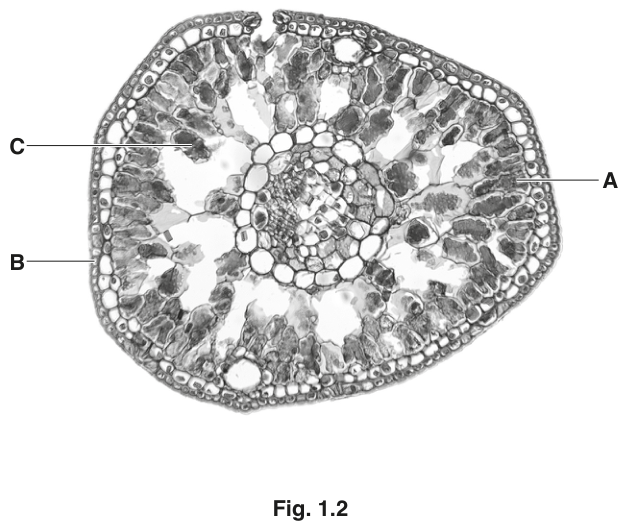
Fig. 1.1 and Fig. 1.2 are not shown at the same magnification.
Cells labelled A, B and C in Fig. 1.1 and Fig. 1.2 each form a different tissue.
Name each tissue formed.
tissue formed from A ................................................................................................................
tissue formed from B ................................................................................................................
tissue formed from C ................................................................................................................
Erica vagans and Cedrus deodara are xerophytic plants.
With reference only to xerophytic features, describe the differences between the leaves of E. vagans and C. deodara visible in Fig. 1.1 and Fig. 1.2.
Transpiration is a consequence of gas exchange in leaves.
Explain why the rate of transpiration is greater during the day than during the night.
The rest of this paper
5 more questions- Q2Enzymes · Transport in Mammals · Biological Molecules10M
- Q3Infectious Diseases · Immunity10M
- Q4Transport in Mammals · Gas Exchange8M
- Q5Cell Structure · Biological Molecules · Cell Membranes and Transport11M
- Q6The Mitotic Cell Cycle · Nucleic Acids and Protein Synthesis · Cell Structure12M